
EU Entry/Exit System (EES): It’s Officially Live — Here’s What It Means for Your Europe Trip
The EU Entry/Exit System (EES) Is Here… Now What?
If Europe is on your calendar, there’s one thing you need to know before you go:
The EU Entry/Exit System (EES) is officially live as of April 2026.
And while that sounds simple… the experience right now? Not so much.
We’re in that “new system, still figuring it out” phase—which means you need to be prepared so your trip doesn’t start with unnecessary stress.
What Is the EU Entry/Exit System (EES)?
The EES is a new digital border system used across the Schengen Area to track travelers from outside the EU (like U.S. travelers).
Instead of stamping your passport, the system now:
Records your entry and exit digitally
Collects biometric data (fingerprints + facial scan)
Tracks how long you stay in Europe automatically
Think of it as Europe upgrading its border process—but like any upgrade… there are a few bugs to work out.

What’s Different Now That EES Is Live?
1. Longer Wait Times at Arrival
This is the big one.
Since travelers are being registered into the system for the first time:
Expect longer lines at immigration
Expect a slower process when you land
Once you’re in the system, future trips should be smoother.
2. Biometric Registration Is Required
You’ll now go through:
Fingerprint scanning
Facial recognition photo
This happens at the airport when you arrive in Europe.
3. No More Passport Stamps
Your passport won’t be stamped anymore.
Instead:
Your travel history is tracked digitally
Your days in Europe are calculated automatically
4. Stricter Tracking of Your Stay
The 90/180-day rule is now enforced with precision.
That means:
No more guessing how long you’ve stayed
No accidental overstays
No “I didn’t realize” moments
The Reality Right Now (What Travelers Are Experiencing)
Let’s keep it real…
Even though EES is live:
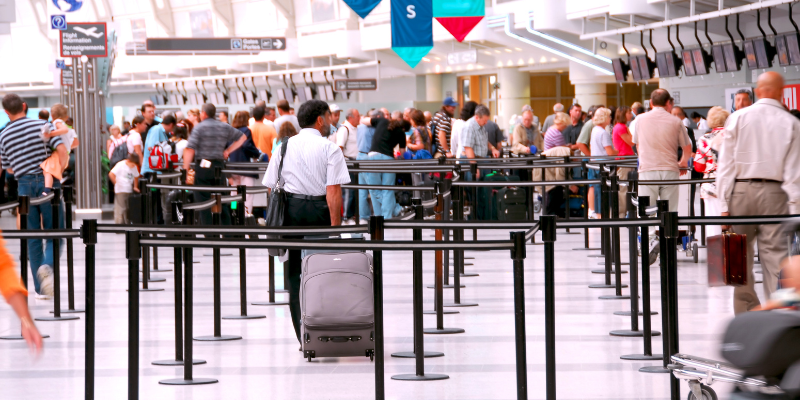
Some airports are experiencing delays and congestion
Certain locations are still adjusting their processes
The experience can vary depending on where you land
Translation:
It works—but it’s not fully smooth yet.
What You Should Do Before Your Europe Trip
1. Build in Extra Time
Avoid tight connections on arrival
Plan for longer wait times at immigration
2. Have Everything Ready
Even with digital tracking, you still need:
A valid passport
Return flight details
Hotel confirmations
3. Track Your Travel Days
If you travel to Europe often, be mindful of:
The 90-day limit within 180 days
Multiple trips adding up quickly
4. Prepare for Arrival Like a Pro
Keep your passport easily accessible
Be ready for biometric scanning
Stay patient (this part matters more than you think)
5. Don’t Navigate This Alone
New systems = unexpected hiccups.
Having someone guide you through:
Entry requirements
Timing your travel correctly
Avoiding common mistakes
…makes a huge difference.

Pro Tips to Make Your Arrival Smoother
Choose flights that arrive during off-peak hours
Sit closer to the front of the plane (you’ll get off faster)
Book transfers in advance so you’re not figuring it out after a long flight
Keep snacks and essentials in your carry-on
Final Thoughts: Be Prepared, Not Stressed
The EU Entry/Exit System is here—and it’s not going anywhere.
Yes, there may be some delays right now…
But with the right preparation, your trip will still be smooth, seamless, and everything you’ve been dreaming about.
Ready to Plan Europe Without the Guesswork?
If you want your trip planned with every detail handled—including navigating changes like this—I’ve got you.
Start planning here: https://www.kmdtravel.com/requestquote
Because your trip should feel exciting… not overwhelming.
